Scientific Organising Committee
SCIENTIFIC ORGANISING COMMITTEE CHAIR
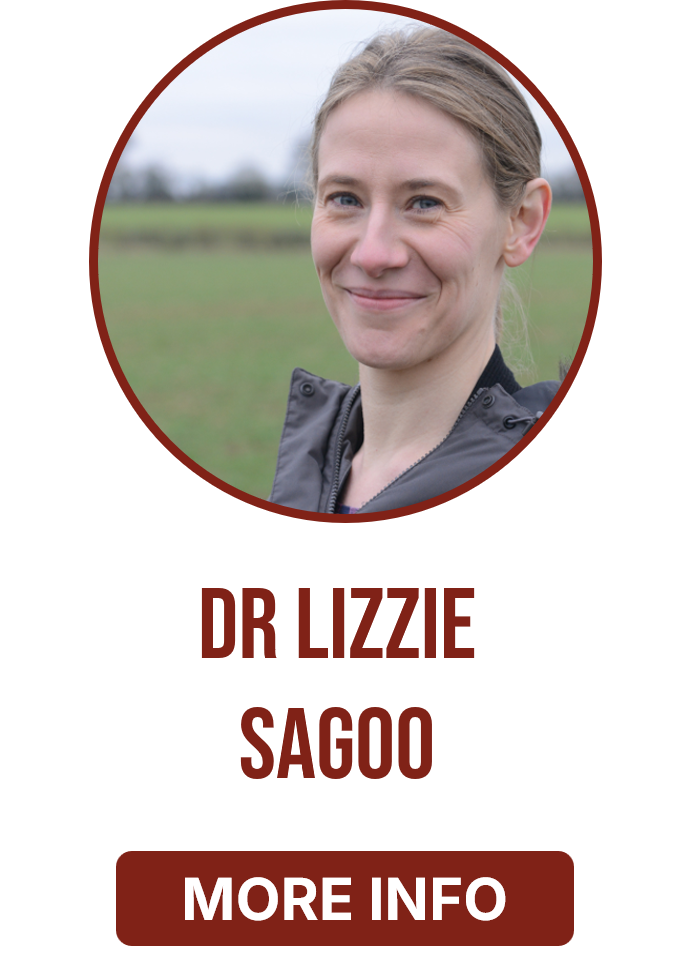
Lizzie is Associate Managing Director of the ADAS Sustainable Agricultural Systems Business and President Elect of the British Society of Soil Science. She is a Soil Scientist by training, with specialist knowledge of soil and nutrient management, precision agriculture, and diffuse pollution of air and water from agricultural systems. Lizzie’s current R &D projects focus on nutrient management decision support tools, and the environmentally sustainable recycling of organic materials to land.
SCIENTIFIC ORGANISING COMMITTEE
|
Paul Hallett is President of the British Society of Soil Science (2025-2026) and Professor in Soil Physics at the University of Aberdeen. He is a Soil Physicist working on solutions to food and environmental security, mainly focussed on the interactions between plants, microorganisms and the physical behaviour of soil. His work spans from understanding the fundamental processes driving changes in soil physical properties by biology, through to applied research examining soil degradation and the underlying causes. Paul helped organise the science programme of the 2022 World Congress of Soil Science in Glasgow as the vice chair of the International Union of Soil Science (IUSS) Division 2: Soil properties and processes. He is a Core Panel Member of the NERC Peer Review College, Associate Editor of the European Journal of Soil Science and Technical Editor of Soil. He is the programme tutor of the only remaining MSc Soil Science in the UK at the University of Aberdeen, where he also co-ordinates postgraduate research training of over 150 PhD students in the School of Biological Sciences.
|
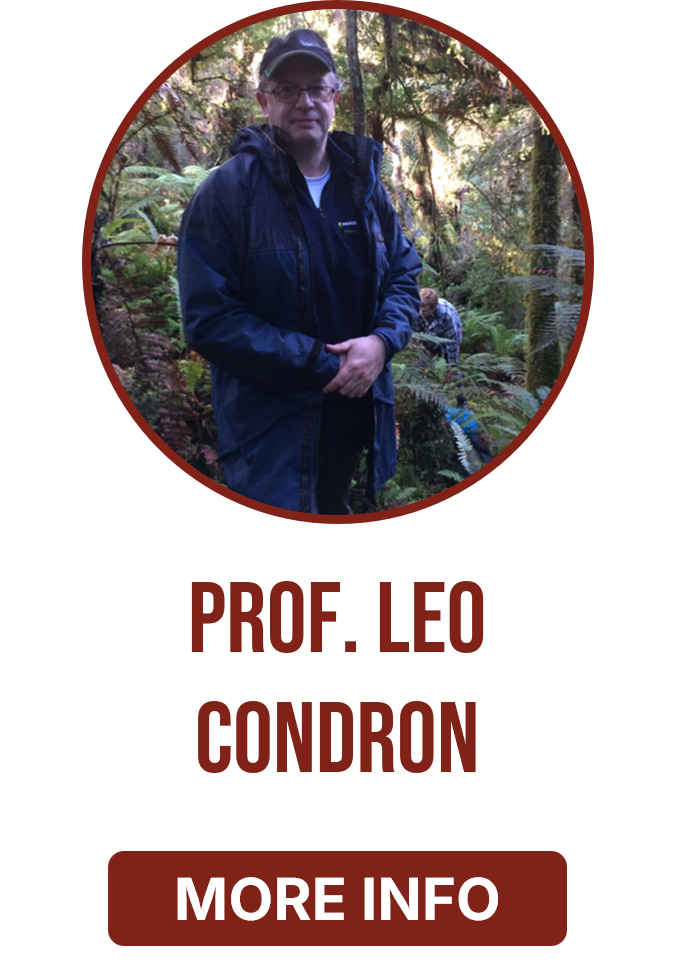
Originally from Glasgow, Professor Condron obtained his BSc Honours degree in Agricultural Chemistry at the University of Glasgow before moving to New Zealand to complete a PhD in Soil Science at the University of Canterbury (Lincoln College). After completing a postdoctoral fellowship at the University of Saskatchewan in Canada he returned to New Zealand to what was by then Lincoln University. With over 45 years of experience in research and academia, his work has focused on the impacts of land use and management practices on phosphorus and organic matter dynamics in grassland and forest soils, soil chronosequence biogeochemistry, and the relationship between soil microbial diversity and function. This body of research has significantly advanced understanding of biological processes in determining the bioavailability and utilisation of phosphorus in soil-plant systems, a contribution recognised by the award of a Doctor of Science degree by the University of Canterbury in 2016. Throughout his career, Professor Condron has authored over 350 publications, including over 300 journal papers, and has played a pivotal role in mentoring the next generation of scientists, supervising more than 120 postgraduate students and postdoctoral fellows.
|
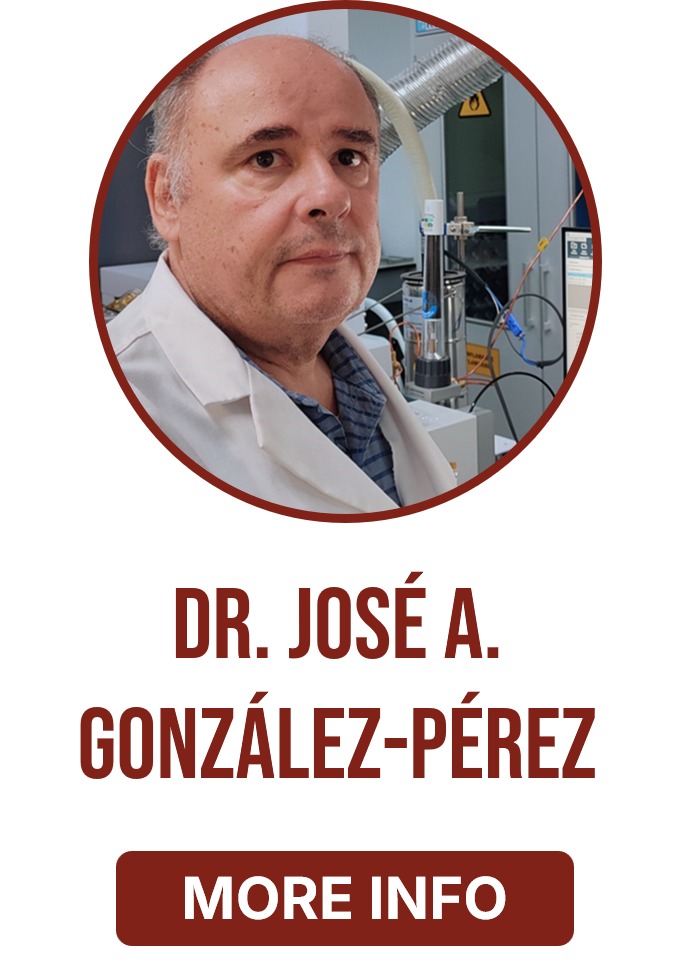
Dr. José A. González-Pérez is a Senior Research Scientist at IRNAS-CSIC (Seville, Spain) and Head of the Department of Biogeochemistry, Plant & Microbial Ecology. With over 30 years of experience in soil science and environmental geochemistry, he has led numerous international research and development projects, authored more than 200 scientific publications and was Co-chairman of the past EUROSOIL2025 held in Seville (Spain). Currently serves as Vice-President of the European Confederation of Soil Science Societies (ECSSS).
|

Ian is a Professor of Analytical Chemistry at the University of Bristol and Director of the National Environmental Isotope Facility which provides advanced mass spectrometry capabilities to UK researchers. His research concerns soil organic matter, microbial communities, soil nutrients, stable isotope probing, and biomarkers to understand soil health, nutrient transformations, carbon storage, agricultural sustainability, and environmental change. He combines innovative analytical chemistry with interdisciplinary collaborations to reveal fundamental soil processes.
|
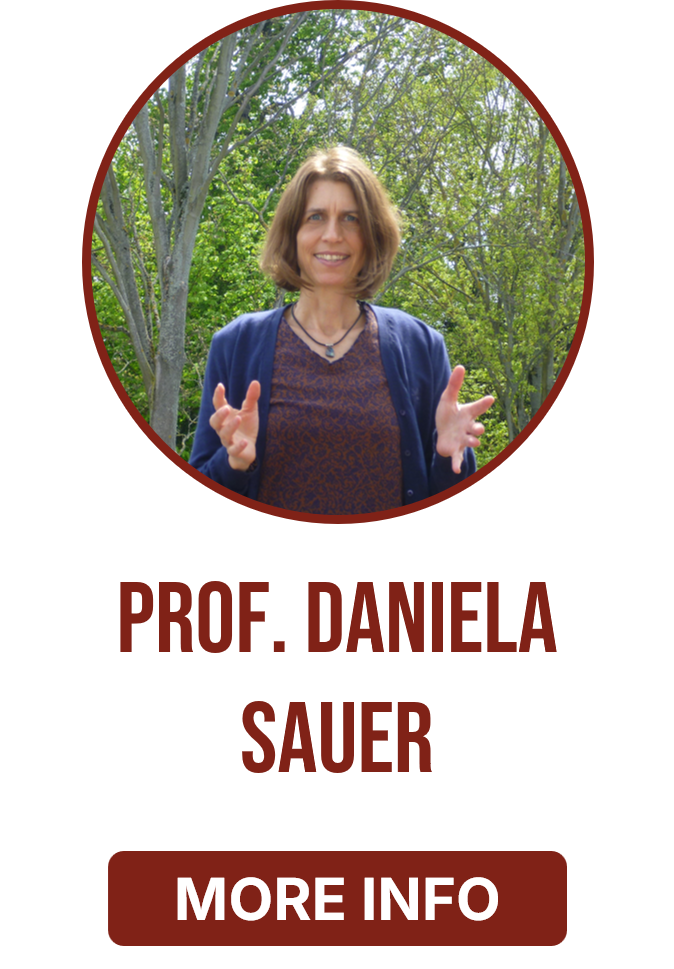
Daniela Sauer is Full Professor, Head of the Department of Physical Geography of the University of Göttingen, and President of the German Soil Science Society. She served as Chair of IUSS Paleopedology Commission (2010-2018) and EGU Subdivision "Soils as Records in Time and Space" (2016-2020). Her research focuses on soil development over time, techniques to extract different silicon phases from soils, and the use of paleosols for reconstructing landscape evolution
|
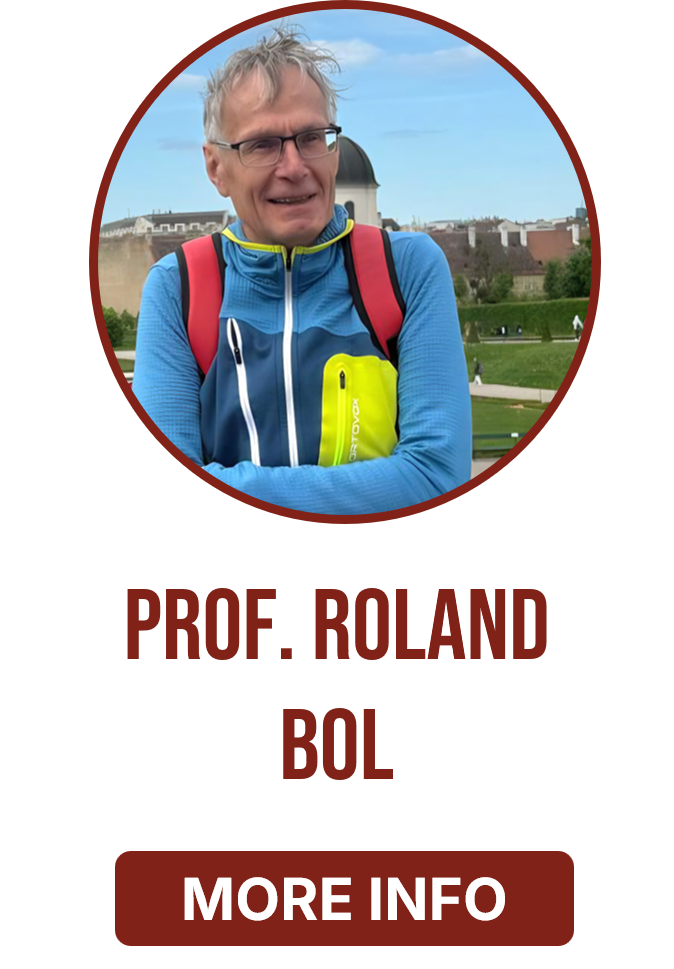
Roland Bol’s research is focused on the complex biogeochemistry processes that occur on the field to landscape scale at soil-water-air interfaces in natural and agricultural ecosystems. His work contributes to studies on how isotope signatures can be used as tracers of carbon, nutrients, metals, colloids and sediments sources and dynamics in the wider soil environment. He is currently the editor in chief of EJSS.
|
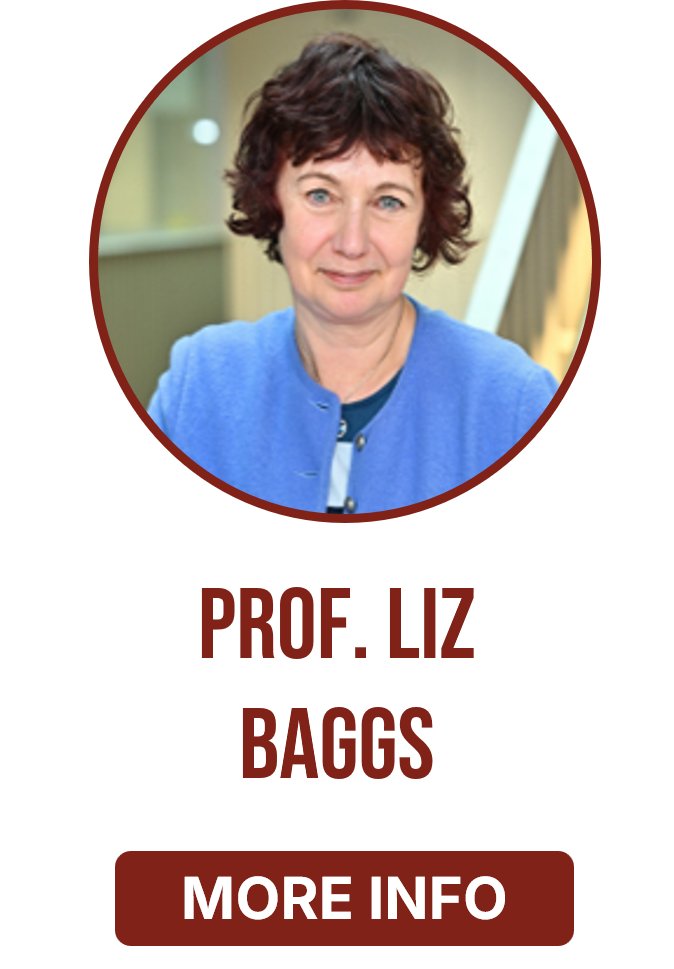
Liz is Vice Principal for Research and Innovation, and Professor of Food and Environmental Security at the University of Edinburgh. Her research expertise is in soil biogeochemistry, specifically plant-soil interactions for sustainable agricultural systems and climate change mitigation. She holds various current and previous strategic leadership and advisory roles for higher education and research, governments, and international research organisations and funders.
|
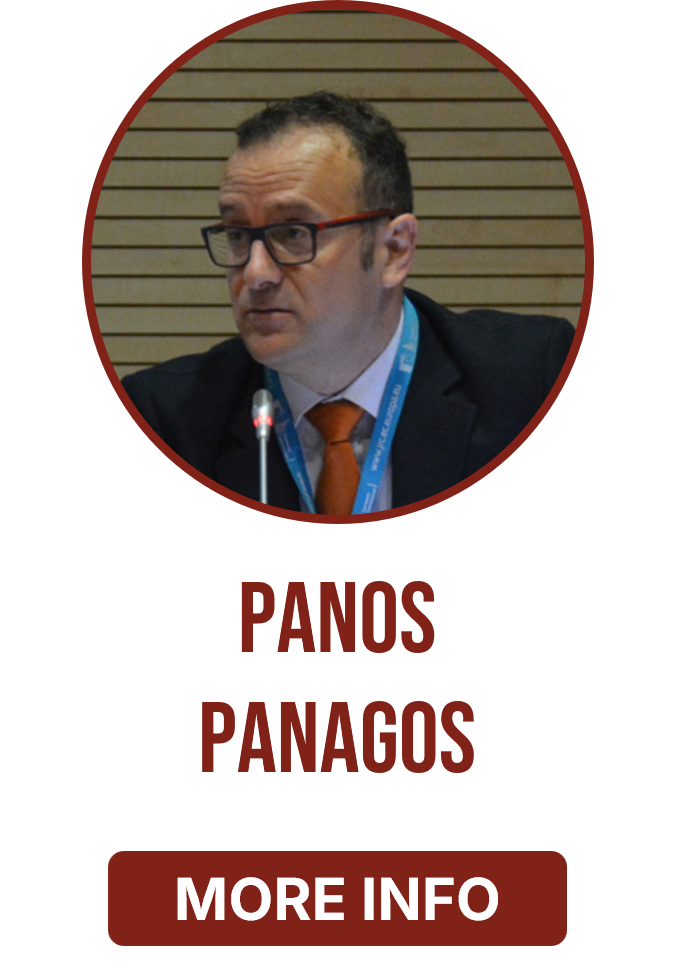
Panos Panagos is a senior scientist at JRC (Joint Research Centre, European Commission). He has more than 25 years' experience in environmental modelling and policy developments in the European Commission. Panos Panagos is the Project and Team leader of EU Soil Observatory (EUSO). ). He has more than 270 publications in peer-review journals and he has been awarded the Web of Science highly influential scientist award.
|
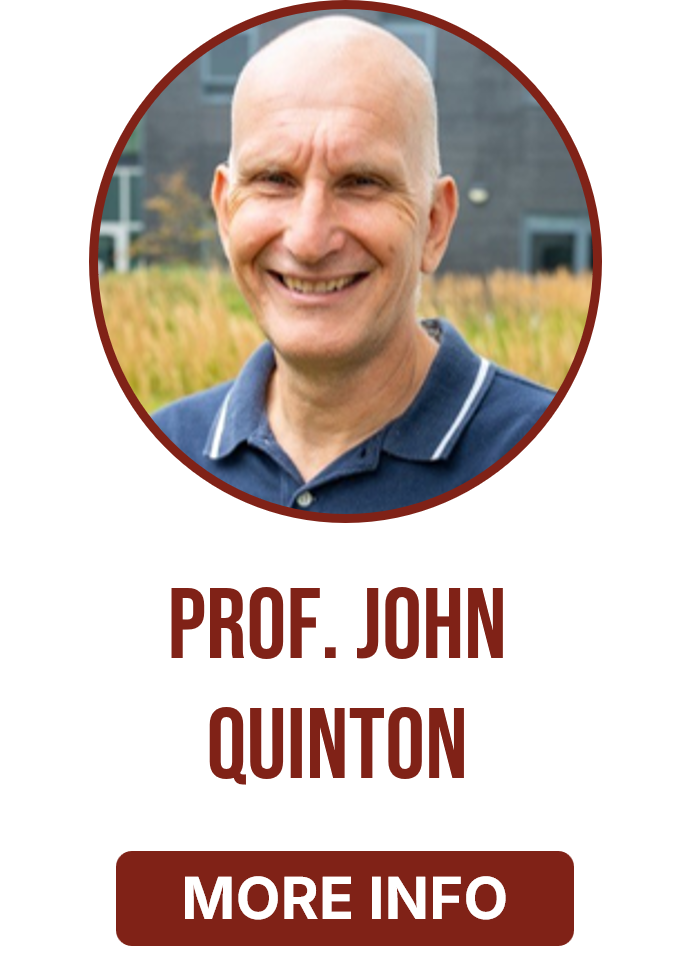
John Quinton is Emeritus Professor of Soil Science at Lancaster University and Principal Consultant at Quinton Soil and Water Research and Consultancy. He has 35+ years research experience in soil and water science focussing on soil sustainability, soil erosion, diffuse pollution and soil restoration. He has published over 140 refereed papers, graduated 35 PhD students and was founder and, for 10 years, joint Editor-in-Chief of the European Geosciences Union’s open access journal ‘SOIL.’
|
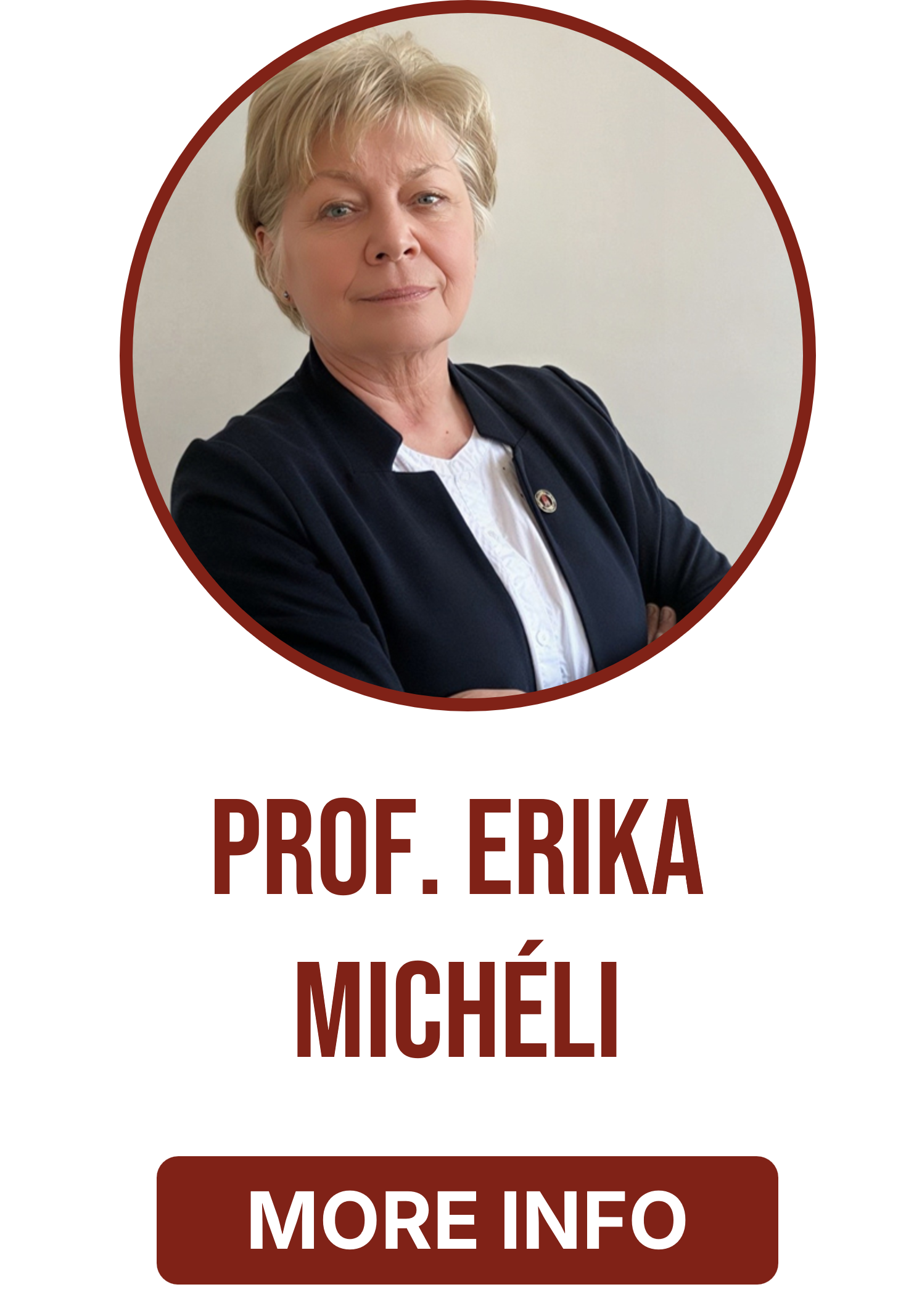
Erika Michéli is Professor and Head of Soil Science at the Hungarian University of Agriculture and Life Sciences (MATE) and an Honorary Member of the International Union of Soil Sciences (IUSS). Her major contributions to soil science have focused on the development of international soil classification systems, soil correlation, and the associated databases and reference documents that support their application worldwide. She has also contributed tot he the preparation of the Soil Atlases of Europe, Africa, and Asia, helping to advance global soil knowledge.
|

Information to follow
|
Information to follow
|
Information to follow
|
Information to follow
|
Information to follow
|